

Designing a solar system requires thorough research, planning, and an understanding of your anticipated energy consumption levels. The initial cost of solar installation can be expensive, and this can be made worse by extra charges due to avoidable mistakes. Are you wondering what these mistakes are? West Coast Solar, Inc., your best solar provider in San Jose, Sacramento, and Brentwood, has got your back.
Here are four common mistakes you should avoid when designing your solar system:
Assembling a Piece-by-Piece System
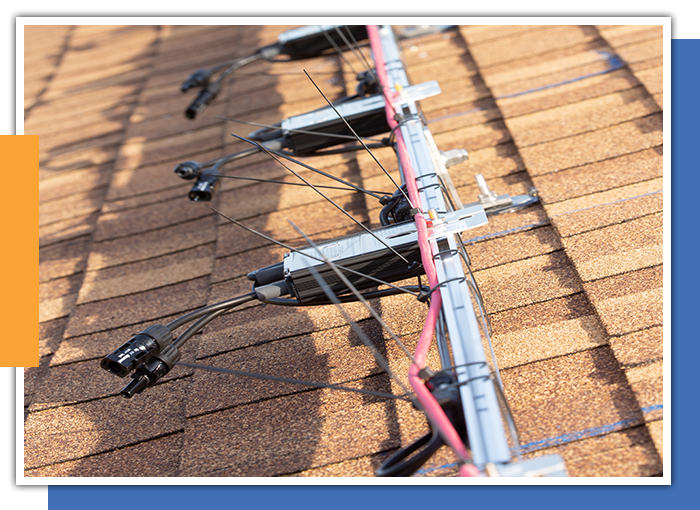
Acquiring different parts of a solar system over time may not be wise, because the chances of the parts being compatible with one another are minimal. The system will consist of smaller inverters, panels that do not match, components with varying connectors, and missing essential items. Building a system piece by piece is hard and can rarely guarantee results unless proper planning and design are completed before acquiring parts.


Poor Sizing Design
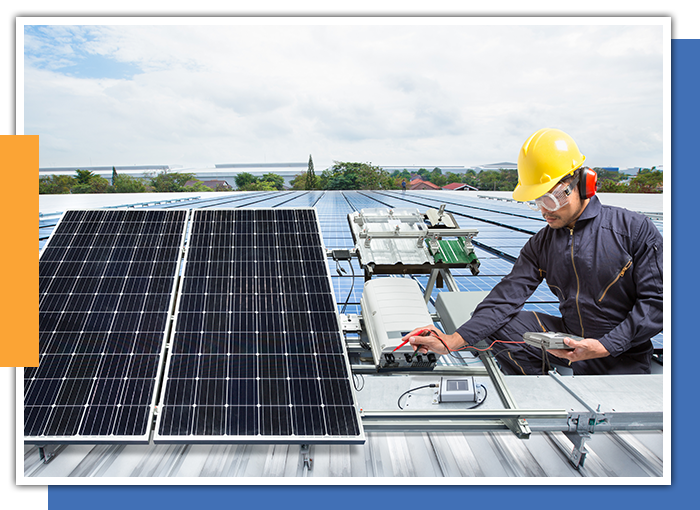
Designing a system with the right capacity is complex. Thus, it is a good idea to use the expertise of a solar installation company during your design process. A solar panel technician will help you understand several crucial factors in proper system sizing, like preventing loss of efficiency, knowing how increased temperature affects your system, number of sun hours needed, voltage rating, battery bank requirements, and much more.
Confusing the Types of Connections
Residential solar can be grid-tied or off-grid. Grid-tied solar is when residential solar panels are connected to the power grid so that excess electricity produced is fed into the system and shortages are supplemented from the grid. An off-grid system is when the energy produced by the panels is stored in batteries on-site for the home to use. The system is not connected to the grid, and the power deficit is supplemented by using a generator. In this case, the owner will not pay any electricity bill. Therefore, connecting a solar system to your power grid allows you to save on power bills whereas being off-grid prevents you from incurring any electricity bill.
Lack of Proper Planning
When planning, it is crucial to consider your future needs. For instance, increase in power consumption, or making room for expansion in your system? Enlarging a power system can be complicated to do on your own because your old arrangement needs to match your new components. The inverters and charge controllers must take in the new array. Thus when planning for your solar system, it is essential to consider components that will allow future expansion.
Designing for a solar system is not simple. Thus it is important to include experts in the process. Are you looking for a solar system specialist in San Jose, Brentwood, and Sacramento? West Coast Solar, Inc. is the way to go. Contact us today!