
Solar panels can be a bit challenging to understand! They're there, on the roofs of homes and businesses, but how exactly do they work? In today's blog, we're diving into the nitty-gritty of solar panels — including a bit of the science behind them! If you have more questions or are considering home solar or commercial solar in Northern California, contact the team at West Coast Solar today.

Absorbing Sun's Rays
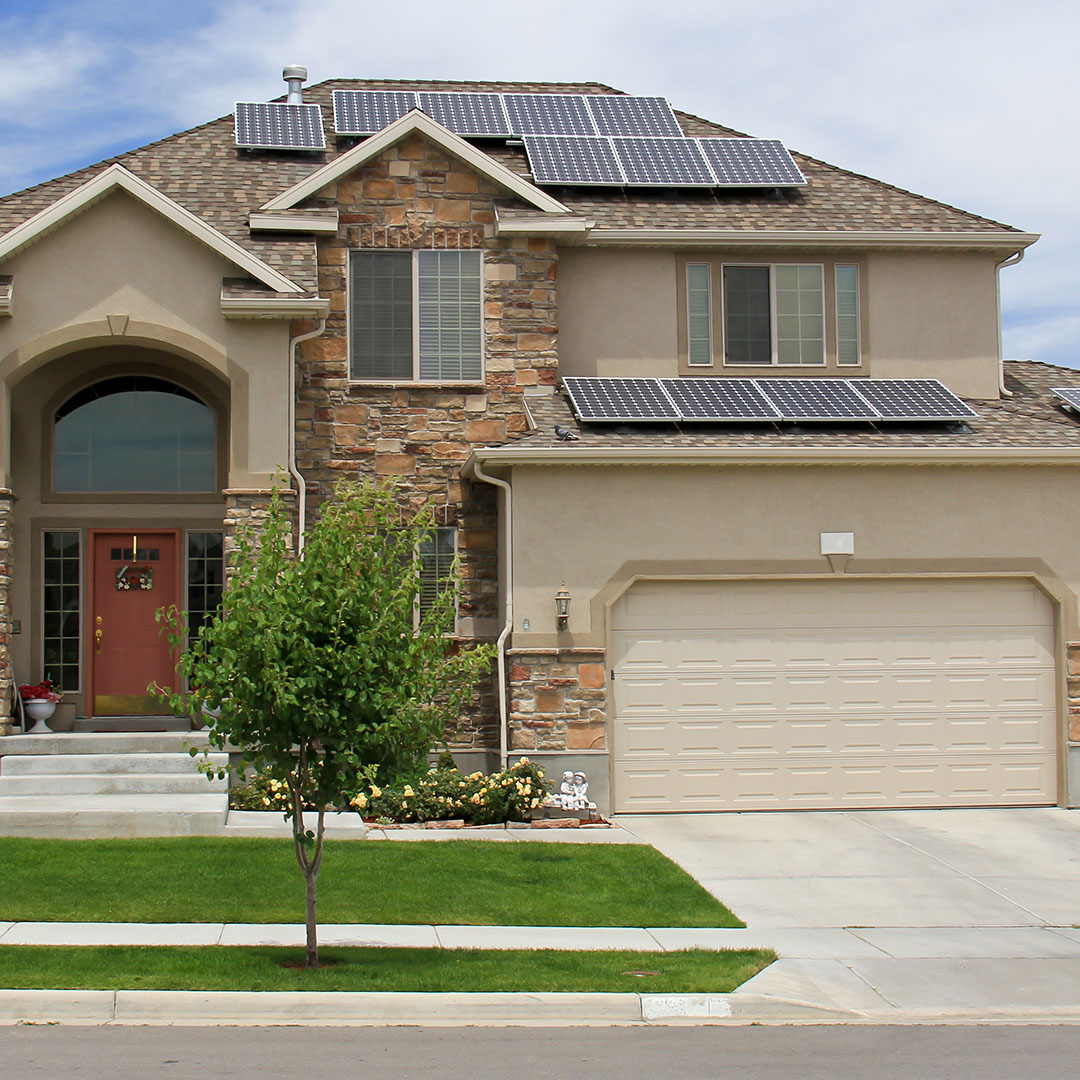
Solar panels work by absorbing the sun's rays and turning them into electricity. The photovoltaic cells in the panels capture the sunlight and convert it into direct current (DC) electricity. This DC electricity is then converted into alternating current (AC) electricity by an inverter, which can be used to power your home or business.
Photovoltaics
Solar panels are made up of photovoltaic cells, also known as PV cells. These cells are made of semiconductor materials, such as silicon. When sunlight hits the PV cells, it knocks electrons loose from their atoms. This phenomenon is called the "photoelectric effect." The freed electrons then flow through the material to metal contacts on the cell, creating an electric current. This current can be harnessed to power electrical devices.
PV cells are often combined into larger modules or "panels." When multiple PV modules are connected together, it's called a solar array. Solar arrays come in all shapes and sizes and can be used to power everything from small electronics to entire homes and businesses.

Produce No Emissions
Solar panels are a clean, renewable energy source that can help reduce your reliance on fossil fuels. They produce no emissions, and their operation is virtually silent. Solar panel systems can be used to generate electricity for a single appliance or to power an entire home or business.
Invest In Solar Today!
West Coast Solar is a leading provider of solar panel systems in Northern California. Contact us today to learn more about our residential solar and commercial solar services!