
Leasing vs. Buying Solar in Northern California Heading Into 2027: Why the Math Flipped This Year

If you are budgeting for home energy upgrades heading into 2027, the rules for paying for solar look very different than they did a year ago. A major split in federal tax law reshaped the comparison between leasing and buying—and understanding both paths can save Northern California homeowners thousands.
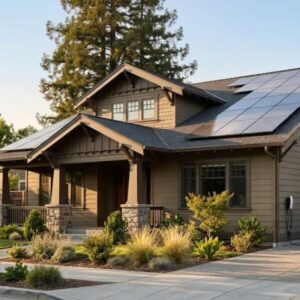
How the 2026 Federal Tax Credit Split Changed the Equation
When the direct residential solar tax credit (Section 25D) expired at the end of 2025, cash and loan buyers lost the 30% homeowner write-off. However, third-party-owned solar leases and Power Purchase Agreements (PPAs) still qualify for the commercial Section 48E credit through December 31, 2027, allowing providers to pass those savings into lower monthly payments.
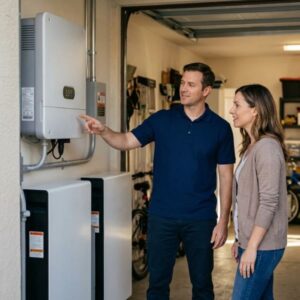
When a $0-Down Lease or Fixed-Rate PPA Wins
Because the finance company captures the federal credit and handles system maintenance and monitoring, a $0-down lease or PPA often delivers immediate monthly savings with zero upfront cash. For homeowners with limited tax appetite or those who want predictable, lower-than-utility payments right away, leasing frequently beats financing in early years.

When Buying With Cash or a Low-APR Loan Still Makes Sense
Ownership has not lost its appeal for every household. Paying cash or securing a low-APR loan means zero monthly escalators, full ownership of your equipment from day one, and higher long-term cumulative savings once the system pays itself off—especially if you plan to stay in your home for 15 to 20 years.
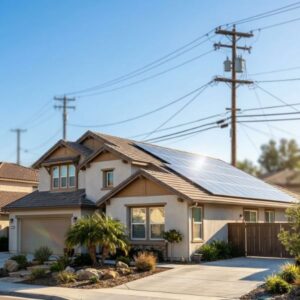
Locking In Predictable Power Before PG&E’s January 2027 Rate Adjustments
Whichever financing path fits your household, waiting carries a real cost. With PG&E’s 2027 General Rate Case adjustments and ongoing delivery charges poised to push monthly bills higher starting in January, locking in a fixed solar rate now protects your family budget from another year of utility volatility.
Want to see exact numbers for your roof and utility usage? Compare a $0-down lease or PPA against cash and loan ownership side-by-side using West Coast Solar’s Online System Builder, or reach out for a custom quote.
Schedule A Free Consultation
The entire West Coast Solar team is excited to help you optimize your energy potential. Connect with us today to schedule your complimentary consultation to learn more about a home solar panel system or a commercial solar panel system. We look forward to hearing from you!
Recent Posts
Leasing vs. Buying Solar in Northern California Heading Into 2027: Why the Math Flipped This Year
If you are budgeting for home energy upgrades heading into 2027, the rules for paying for solar look very different than they did a year ago. A major split in…
Read MoreThe Q4 Commercial Solar Tax Playbook: 100% Bonus Depreciation Before Dec. 31 & Beating the 2027 Federal Credit Cutoff
For California business owners, wineries, agricultural operations, and warehouse operators, November and December are prime months for strategic capital investments. Between immediate 2026 write-offs and a hard federal deadline approaching…
Read MoreCalifornia’s Solar Property Tax Break Ends January 1, 2027: What Homeowners Need to Know Right Now
For over two decades, California homeowners have installed rooftop solar without triggering a property tax hike. That protection—known as the Active Solar Energy System Property Tax Exclusion—officially expires on January…
Read More