

If you run a small business or organization, one of your objectives is always to keep costs low enough so that the company can make a profit. This isn’t always easy, as it can sometimes lead to a decrease in the quality of the firm’s product or service, particularly if these cost-cutting measures involve laying off employees and under staffing. But one way you can try getting around these difficult decisions is to improve the energy efficiency of your facilities.
The federal government sponsors a program called Energy Star, which certifies buildings where the property managers or owners have made an effort to improve things like insulation and appliance electricity use in an effort to reduce monthly utility bills. Energy Star facilities use 35 percent less power than similar structures that have not been certified, and the Department of Energy estimates that a 500,000 square foot building could save $120,000 annually by meeting these guidelines.
Among the various efforts that can be undertaken to improve efficiency include redesigning heating, cooling and ventilation systems with newer equipment and better climate management, replacing light bulbs and appliances with Energy Star-certified products, and programming lighting systems to operate only when the building is occupied.
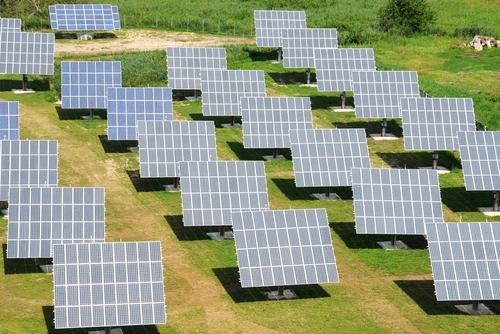
Furthermore, combining these measures with the integration of a solar electric system can lower your firm’s utility bills even further. Bay area solar energy provides a renewable source of electricity that is eligible for many federal, state and local tax incentives. For more information on going solar can positively affect your company’s financial health, contact West Coast Solar today.
Schedule A Free Consultation
The entire West Coast Solar team is excited to help you optimize your energy potential. Connect with us today to schedule your complimentary consultation to learn more about a home solar panel system or a commercial solar panel system. We look forward to hearing from you!
Recent Posts
PG&E’s New Flat Fee Just Hit Your Bill: Does Solar Still Make Sense?
If you opened your latest PG&E statement and noticed a sudden, unavoidable fee, you aren’t alone. In March 2026, PG&E officially rolled out its “Base Services Charge”—an automatic fee of…
Read MoreUpgrading Your HVAC This Year? Why California’s 2026 Building Codes Make Solar + Heat Pumps a No-Brainer
If your old gas furnace is on its last legs, you are about to encounter the new reality of California real estate. On January 1, 2026, the updated California Energy…
Read MoreSolar Panels vs. Bidirectional EV Charging: Do You Still Need a Tesla Powerwall in 2026?
The California energy landscape is evolving fast. With automakers expanding bidirectional charging across their 2026 vehicle lineups and models like the Ford F-150 Lightning and Tesla Cybertruck already on the…
Read More