

The Ultimate Guide to Off-Grid vs. Grid-Tied Solar: Achieving True Energy Independence
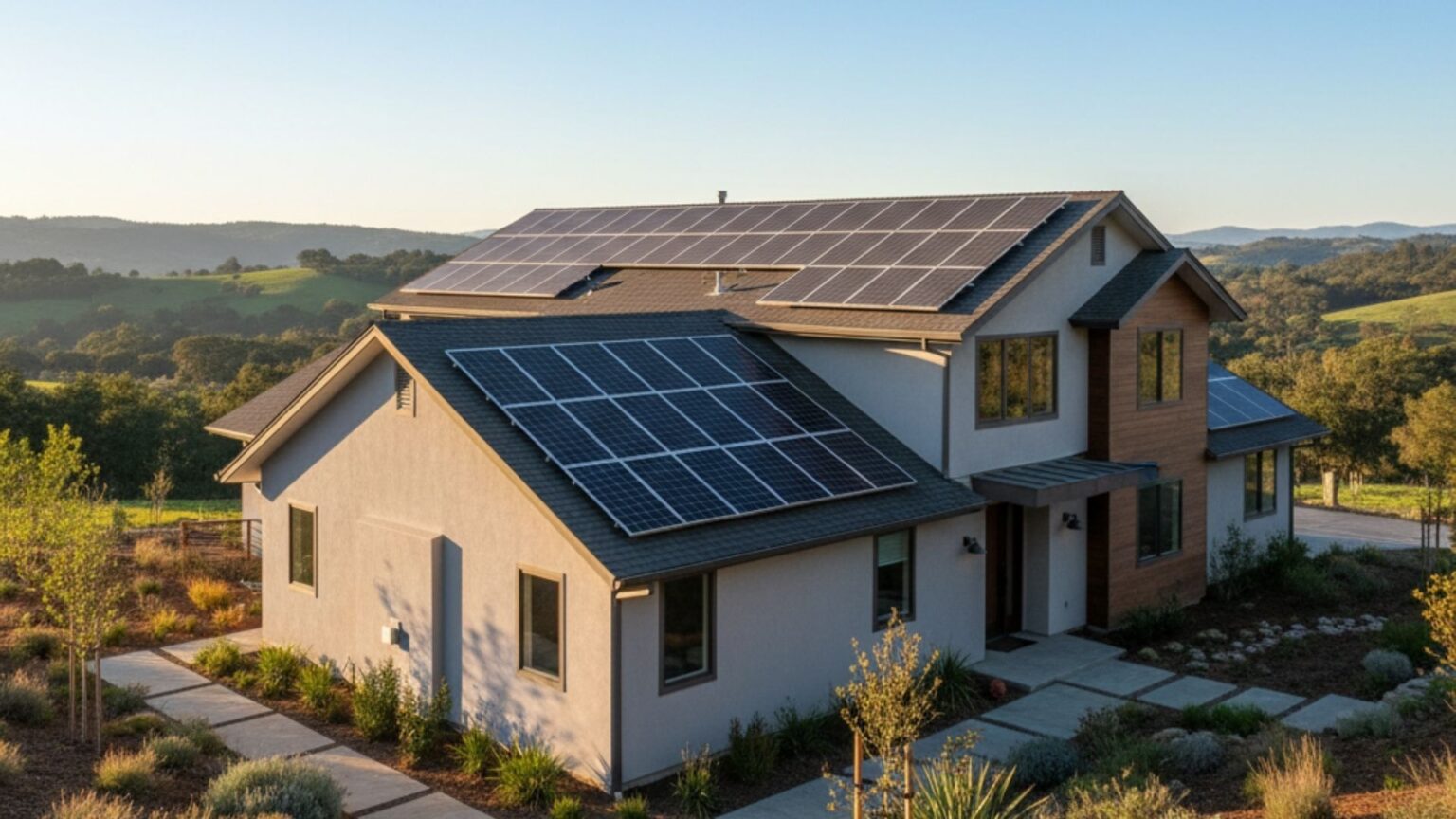
Choosing to go solar is a major step toward energy independence and lower electricity bills. As providers of residential solar, we find the most common question is about the type of system to install. The two main paths are grid-Tied solar and living off-grid. Understanding the difference is crucial for making the right investment for your home.

What Are Grid-Tied Solar Power Systems?
A grid-tied system is the most common residential solar panel installation. It remains connected to the local utility grid, allowing you to draw power when your panels aren’t producing, like at night. This setup seamlessly blends your own solar electricity for homes with the reliability of the grid, ensuring you always have the power you need.

The Financial Case for Grid-Tied Solar
The primary benefit of grid-tied solar is financial. Through net metering programs, you can often send excess energy back to the grid for credits, lowering your bills even further. This also eliminates the need for a large, expensive battery bank, making the initial solar panel installation significantly more affordable and less complex for most homeowners.

What Does ‘Living Off-Grid’ Mean?
Living off-grid means your home is 100% disconnected from the utility. These residential solar power systems are completely self-sufficient. To achieve this, the system must be large enough to power your entire home and include a robust battery bank to store energy for use at night, on cloudy days, and during periods of low sun.

The Realities of Total Energy Independence
While true energy independence is appealing, off-grid systems require careful planning and a larger budget. The battery bank adds significant cost and maintenance requirements. You become your own utility, meaning you are fully responsible for energy management, storage, and system upkeep. It is a major lifestyle commitment that requires careful energy conservation.

The Hybrid Solution: Solar with Battery Backup
For many homeowners, a hybrid system is the ideal compromise. This is a grid-tied system that also includes a home battery. You get the financial benefits of net metering while also having backup power. When the grid goes down, your home can automatically switch to battery power, keeping your essential appliances and lights running.

Grid Outages vs. Energy Security
It’s a common misconception that all solar systems provide power during an outage. Standard grid-tied systems must shut down to protect utility workers. To keep your power on, you need an off-grid system or a hybrid system with battery storage. This is a key consideration for Northern California residents who prioritize energy security.
Deciding between grid-tied, off-grid, and a hybrid solution is a personal choice based on your goals for independence, your budget, and your energy needs. Whether you’re looking to reduce your utility bills or achieve complete self-sufficiency, our team at West Coast Solar has the expertise to design the right solution. Contact us for a consultation to explore your residential solar options.
Explore Your Solar Options
Schedule A Free Consultation
The entire West Coast Solar team is excited to help you optimize your energy potential. Connect with us today to schedule your complimentary consultation to learn more about a home solar panel system or a commercial solar panel system. We look forward to hearing from you!
Recent Posts
Solar vs. The Grid: Why “Peace of Mind” is the New ROI in Northern California
For years, the conversation around solar panels centered almost exclusively on monthly utility savings and payback periods. While those financial metrics remain incredibly strong, we have noticed a significant shift…
Read MoreSolar Maintenance for the Wildfire Season: Protecting Efficiency from Ash and Smoke
As wildfire season becomes a recurring reality for us in California, the impact on local solar energy production is a growing concern for many homeowners. Beyond the immediate safety risks,…
Read MoreSolar for Multi-Generational Homes: Managing Energy for “ADUs” and In-Law Units
As California families increasingly embrace multi-generational living, the “backyard cottage” or Accessory Dwelling Unit (ADU) has become a premier solution for housing parents or adult children. However, adding a second…
Read More