
Reducing home electricity use allows a smaller solar system to generate a larger total percentage of your home energy consumption. In many cases, simple energy-efficiency initiatives can have a big impact on your summer electricity use in your Northern California home. West Coast Solar has some energy-saving strategies for summer weather!
Block the Summer Sun
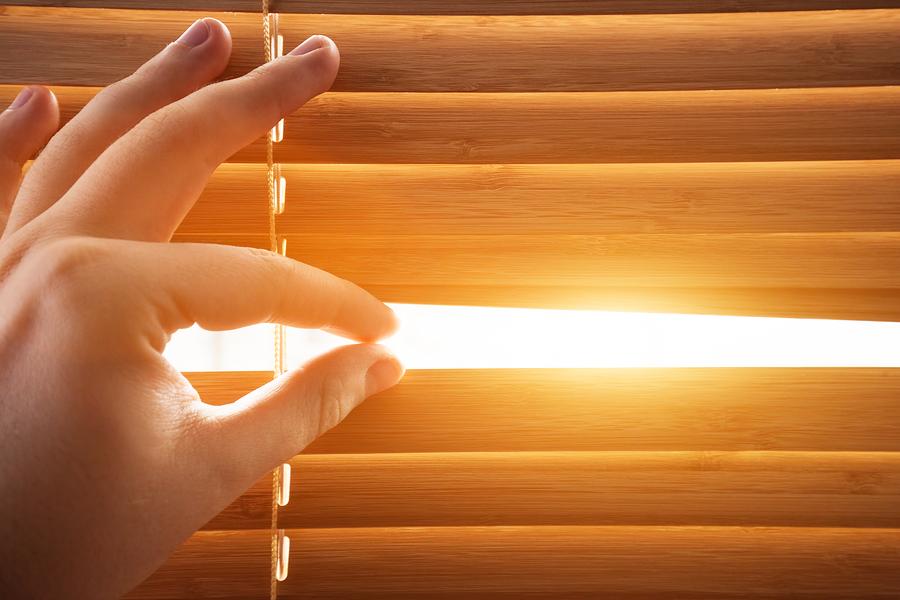
Although home window treatments are often used for aesthetic or privacy reasons, they are also very helpful in shading direct sunlight from heating up your home in the summer. Some draperies can reduce heat gain from your windows by up to 33%, and closing blinds on hot summer days could reduce your cooling bill by 10 to 15%.
Avoid Generating Heat Inside Your Home
By identifying your activities that create heat, you can avoid them or do them when outside temperatures are lower and you can naturally ventilate your home. Try avoiding use of the stove when possible, or use it minimally. Run the oven as little as possible, and try to bake a few things at once when you do to get the most value out of it.
To avoid running the dryer, wash laundry in cold water and air dry it if possible. Consider lowering the temperature setting on your hot water heater during the warmer months, especially if it’s located in your living space. Using LED or fluorescent light bulbs instead of incandescent bulbs will both save energy and reduce waste heat. Load up your dishwasher and run it when it is as full as possible, ideally in the middle of the night (since it generates heat).
Use Fans and Run the Air Conditioner Wisely
Fans make a room feel cooler by distributing and circulating the air. Running a fan at the same time as an air conditioner allows the AC to be on a lower setting, while home comfort isn’t compromised. When not in the room, turn fans off to save energy.
Air Conditioner Maintenance
Did you know that replacing a dirty, clogged filter can reduce the energy use of your air conditioner by 5% to 15%, according to US Department of Energy? This important aspect of home maintenance helps keep energy costs down while extending the life of your cooling system.
It is also important to inspect your evaporator coil and condenser coil, and clean them when necessary. Clogged coils restrict airflow, making your air conditioner work harder to compensate.
Regular maintenance of your cooling system is important, and we recommend hiring a professional to do this. A system inspection will test for refrigerant leaks, duct leaks, measure airflow through the evaporator coil, and other important items.
For more tips on energy savings, and to learn how solar can save you a bundle on energy costs, get in touch with West Coast Solar today!
Schedule A Free Consultation
The entire West Coast Solar team is excited to help you optimize your energy potential. Connect with us today to schedule your complimentary consultation to learn more about a home solar panel system or a commercial solar panel system. We look forward to hearing from you!
Recent Posts
Leasing vs. Buying Solar in Northern California Heading Into 2027: Why the Math Flipped This Year
If you are budgeting for home energy upgrades heading into 2027, the rules for paying for solar look very different than they did a year ago. A major split in…
Read MoreThe Q4 Commercial Solar Tax Playbook: 100% Bonus Depreciation Before Dec. 31 & Beating the 2027 Federal Credit Cutoff
For California business owners, wineries, agricultural operations, and warehouse operators, November and December are prime months for strategic capital investments. Between immediate 2026 write-offs and a hard federal deadline approaching…
Read MoreCalifornia’s Solar Property Tax Break Ends January 1, 2027: What Homeowners Need to Know Right Now
For over two decades, California homeowners have installed rooftop solar without triggering a property tax hike. That protection—known as the Active Solar Energy System Property Tax Exclusion—officially expires on January…
Read More