
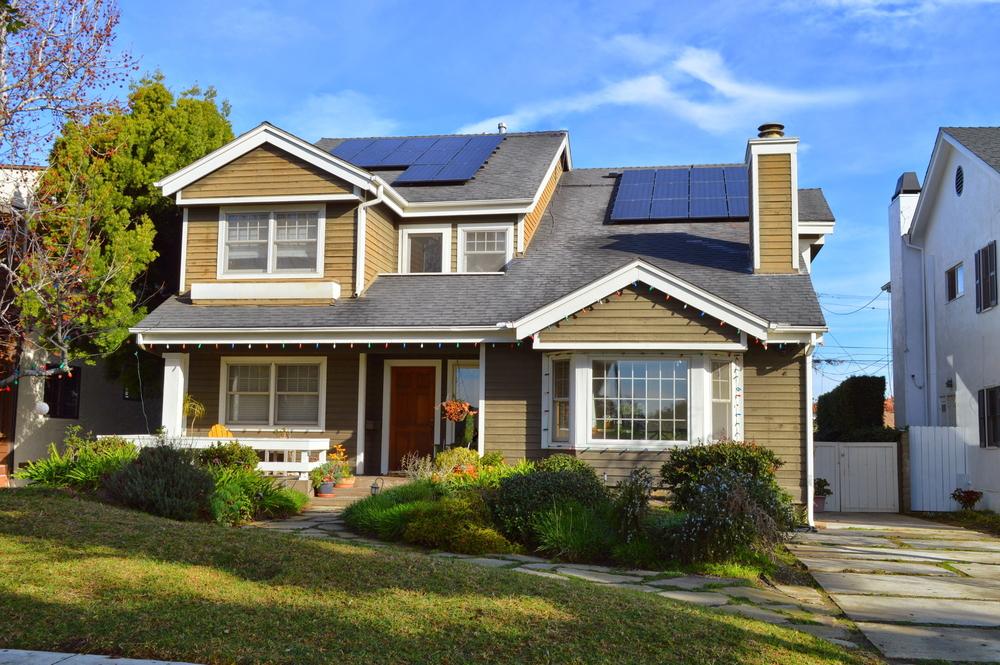
It’s easy to see the benefits that solar can offer, but as a homeowner, there is usually one huge unknown. The major concern most homeowners in the greater Sacramento and San Francisco Bay area have is just how many solar panels they will need put on their roof.
Answering this question starts with this consideration:
How much power does your home need?
Have you ever spent time drilling deep down into your electricity bills? Do you even know the rate you’re paying?
Besides knowing that they’re too high, most homeowners don’t know much else. While solar energy can help you reduce your electricity bills, you first need to have a grasp of how much power you’re actually consuming.
The national average for annual household electricity consumption is about 11,000 kWh, but the average in California is less — so as an example, let’s assume your home uses 8,500 kWh annually. However, that number, unfortunately, doesn’t translate to equal usage each month. Since one month you might be gone for a two-week vacation while during the summer, you have the air conditioner turned on to full blast. All of these factors have an impact on your electricity usage.
Understanding solar panels
Not all solar panels are created equal. Some are more efficient than others and will provide you with more power. The average standard is right around 250 watts of power per panel if the conditions are met — this means that it’s a sunny day and that the panels aren’t shaded. Fortunately, your California home receives a lot of sun compared to other parts of the country, allowing you to get the power you need from a smaller system.
Breaking down how many solar panels your home needs
So let’s pull apart what you have to know in order to determine how many solar panels you’ll need:
-
Energy usage
-
Whether you want to eliminate your electricity bills or simply reduce them
-
Solar panel efficiency
-
Available roof space
Assume you actually do use an average of 8,500 kWh annually and are looking to completely eliminate your electricity bills. Fortunately, your large roof faces south and is unshaded. This means you’ll need a 6kW system, which requires approximately 24 average 250-watt efficiency solar panels.
Determine how many solar panels you need with West Coast Solar
Although it would be great if a perfect formula applicable for every home existed, there are just too many factors that go into determining how many solar panels you’ll need. If you want to know exactly how many your home will require and receive a quote, schedule a no-cost and no-pressure solar assessment with the West Coast Solar team. We’ll determine your home’s viability for solar, conduct a roof assessment, review your home’s energy usage, and discuss available financing options.
Want to know how many solar panels your home would need? Schedule a no-cost solar assessment by contacting us or calling (844) 492-7652 today!
Schedule A Free Consultation
The entire West Coast Solar team is excited to help you optimize your energy potential. Connect with us today to schedule your complimentary consultation to learn more about a home solar panel system or a commercial solar panel system. We look forward to hearing from you!
Recent Posts
How to Right-Size Your Solar Array for Future Home Energy Needs
Transitioning your home to clean energy is a major step toward long-term financial freedom and environmental sustainability. However, determining the exact system capacity your property requires involves looking beyond your…
Read MoreHow Home Solar Panels Turn Your Residential Rooftop Into an Energy Powerhouse
Switching your household to clean, renewable power is one of the most impactful decisions you can make for your wallet and the environment. By utilizing your residential rooftop to capture…
Read MoreWhy Professional Solar Panel Installation Is the Ultimate Home Energy Investment
Transitioning to solar power is one of the most effective ways for homeowners to achieve energy independence and reduce escalating monthly utility expenses. However, realizing the maximum return on your…
Read More